Middle East on Edge: Iran Refuses Ceasefire, Strikes US Bases as Explosions Rock Tehran
Iran has refused a ceasefire as tensions with the United States and Israel escalate. Iranian forces launched missile and drone attacks on US bases in Bahrain and Iraqi Kurdistan, while fresh Israeli airstrikes triggered explosions across Tehran, raising fears of a wider Middle East conflict.
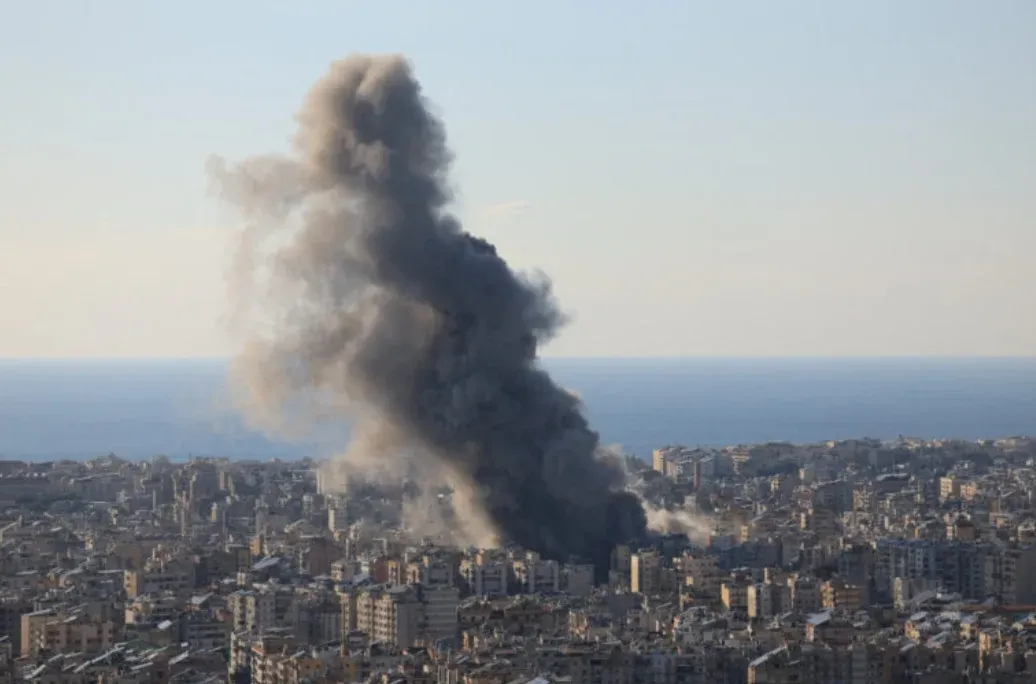
The conflict between the United States, Israel and Iran has intensified dramatically, pushing the Middle East closer to a wider regional war. In the latest escalation, Iran launched missile and drone attacks targeting US military bases in Bahrain and Iraqi Kurdistan, while powerful explosions were reported in Tehran following fresh Israeli airstrikes. Iranian officials declared that the country is “not seeking a ceasefire”, signaling that the confrontation could continue to expand across the region.
Iran carried out a series of retaliatory attacks on American military installations in the Gulf region, including bases located in Bahrain and Iraqi Kurdistan. Bahrain is home to the US Navy’s Fifth Fleet, one of the most important American naval commands in the Middle East. Iranian missiles and drones were reportedly aimed at strategic military facilities and ports connected to US operations. Air-defense systems in the region were activated immediately, intercepting several incoming missiles, though the attacks triggered panic and emergency alerts across Gulf countries hosting US forces.
At the same time, residents of Tehran reported loud explosions across several parts of the Iranian capital after Israel launched another round of airstrikes targeting military infrastructure. According to reports, Israeli forces struck suspected missile sites, command centers and defense installations around the city. Iranian air-defense systems attempted to intercept the incoming threats and claimed to have shot down at least one Israeli drone near Tehran. The strikes caused large fires and significant damage in some areas, increasing tensions within the country.
Iranian leaders made it clear that the country is not ready for negotiations or a ceasefire at this stage of the conflict. Officials stated that military operations would continue until the attacks by the United States and Israel stop. Tehran has also warned that further strikes could target American assets and allies across the Middle East if the conflict escalates further.
The war has already resulted in heavy casualties and widespread destruction. Iranian authorities claim that more than 1,300 people have been killed in strikes carried out by US and Israeli forces. On the other side, reports indicate that over 140 US soldiers have been injured during attacks across the region. Military bases, oil infrastructure and strategic facilities have been targeted repeatedly, increasing the risk of a prolonged conflict.
What began as direct strikes between Iran and Israel has now spread across several countries in the region. Nations such as Bahrain, Qatar, the United Arab Emirates, Kuwait and Iraq have all been affected due to the presence of US military bases and strategic facilities on their territory. Missile interceptions, drone attacks and air-raid alerts have become frequent across the Gulf region.
As the conflict escalates, international leaders are expressing concern about the possibility of a larger regional war. The situation is also affecting global markets, especially oil prices, because the Strait of Hormuz—one of the world’s most important oil shipping routes—lies close to the conflict zone. Diplomatic efforts are continuing behind the scenes, but with Iran refusing a ceasefire and both sides continuing military operations, the crisis remains highly volatile.